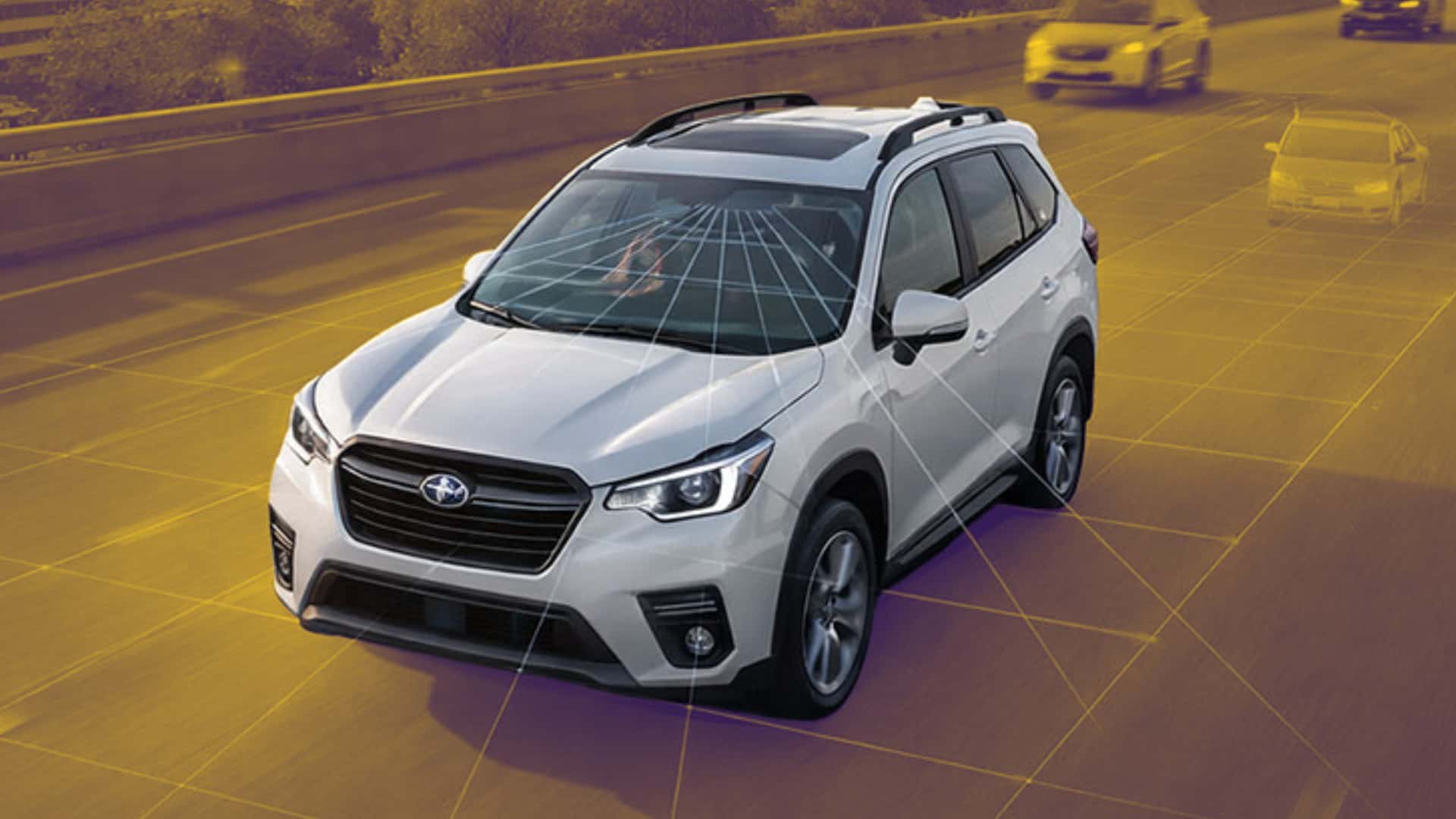
Walking Around a New Car = Finding a Surveillance Station
Gaspol, coba jalanin mata lo ke sekeliling mobil baru manapun sekarang. Lo bakal nemuin kamera di atas plat nomor belakang, ngumpet di grille, nongkrong di bawah side mirror, beberapa nyempil di belakang windshield, bahkan ada satu di dalam kabin yang literally ngestare muka lo.
Serius, jumlah kameranya tuh kayak lo lagi di film sci-fi. Dan ini bukan gimmick—semua berfungsi buat sistem keamanan, parking technology, dan advanced driver-assistance features (ADAS) yang makin gila-gilaan.
It Started with Backup Camera Mandate (2018)
Dulu sih, rearview camera itu cuma opsional buat mobil luxury atau trim tinggi. Tapi pada 2018, pemerintah federal AS ng,要求 semua mobil baru dengan berat di bawah 10.000 pon punya rear-visibility technology.
Mulai situ, semua mobil baru butuh kamera, layar, dan software buat connect keduanya. Begitu hardwarenya udah ada, nambahin lebih banyak kamera jadi hal yang mudah dijustify.
Front-facing camera? Bisa bantu parking. Cameras di bawah mirror? Monitor samping. Combine semua feed itu, stitch jadi satu, dan BOOM—lo dapet virtual 360-degree view yang sekarang offered di everything dari luxury SUV sampai affordable crossover.
Keliatannya kayak ada drone hovering di atas atap mobil lo. Sad news, drone assistant itu masih stuck di concept car realm. For now, at least.
Cameras Do Much More Than Just Parking Assist
Kamera yang nongkrong di belakang windshield punya job yang lebih krusial: dia ngestare jalan.
Depending on the vehicle, dia bisa:
- Identify lane markings
- Detect mobil lain, pedestrian, cyclist
- Baca speed-limit signs
- Recognize objects di depan
Semua informasi itu support fitur-fitur kayak:
- Lane-departure warning
- Lane-centering assistance
- Automatic high beams
- Forward-collision warning
- Automatic emergency braking
Think Subaru EyeSight sebagai good example dari tech kayak gini.
Radar emang jago banget buat ngukur jarak dan speed. Tapi kamera? Kamera yang bikin vehicle bisa bedain antara pedestrian, mobil lain, lane stripe, curb, atau plastic bag yang lagi terbang.
Satu kamera bisa support beberapa fitur sekaligus. Automakers nggak perlu separate sensors buat traffic-sign recognition, lane keeping, dan pedestrian detection—same video feed, multiple systems. That makes cameras compact, relatively affordable, and extremely valuable.
Advanced Driving Systems = More Eyes Needed
One forward-facing camera? Useful. More cameras? Even better.
Modern ADAS need to see much more than the road directly ahead. Bayangin:
- Car lagi mau ganti lane → harus tau apakah ada kendaraan di samping
- Automated parking system → harus identify curbs, painted lines, concrete pillars, shopping carts
- Hands-free highway driving → must monitor traffic dari berbagai arah
Tesla Model Y, misalnya, pake cameras yang mounted di windshield, grille, fenders, pillars, dan rear of the car. Other manufacturers combine cameras dengan radar dan lidar buat build a more complete picture of surrounding environment.
The more responsibility a vehicle assumes, the more information it needs. In other words, increasingly automated cars require an increasing number of "eyes."
Why Can't They Just Work as Dashcam tho?
Okay ini pertanyaan yang sering muncul: if cars udah punya cameras ke semua arah, why can't they record an accident?
Lo boleh nanya di Reddit, dan jawabannya lebih complicated daripada lo think:
- Storage issues — Built-in recording system butuh kapasitas penyimpanan yang gede
- Software complexity — Additional software buat continuous recording
- Durability — Hardware must survive years of heat, freezing temps, vibration, constant data overwriting
- Privacy concerns — Video yang ngeprove lo nggak bersalah juga bisa ngeprove lo speeding atau distracted driving
- Legal questions — Who owns the footage? How long is it stored? Who can access it?
Still, Reddit users punya point sih. A car that can recognize pedestrians, generate bird's-eye parking view, dan monitor driver's eyeballs should probably be able to remember who backed into it di parking lot.
One Camera is Also Watching YOU
Nggak semua kamera nunjuk ke luar. Banyak kendaraan newer punya small infrared camera di dekat steering column atau di atas dashboard.
Job-nya? Determine whether the driver is paying attention.
Hands-free systems kayak GM's Super Cruise dan Ford's BlueCruise masih require driver buat watch the road dan remain prepared to take control. If the monitoring camera detects lo lagi ngeliatin HP, jatuh tidur, atau distracted—vehicle bisa issue visual, audible, and physical warnings.
Some systems may eventually slow the car atau bring it to a stop if driver fails to respond.
Your car is staring at you. It's usually checking whether you're staring at the road—not judging your music choices. At least, we don't think it's doing that, yet.
More Safety Rules are Coming
Government regulations will terus push advanced safety technology ke mobil baru.
NHTSA (National Highway Traffic Safety Administration) udah finalize rule yang require automatic emergency braking, including pedestrian detection, pada new passenger cars dan light trucks mulai later this decade.
The rule nggak specifically require cameras, tapi cameras udah play a major role di banyak automatic-braking systems.
Ada evidence juga: IIHS (Insurance Institute for Highway Safety) menemukan bahwa combining rear camera, parking sensors, dan rear automatic braking dramatically reduced police-reported backing crashes.
That gives automakers another reason to keep adding sensors. Better safety ratings help sell cars, and preventing crashes generally makes owners happy.
TL;DR: Cameras = Essential AF
Lo mau tau simple explanation-nya?
Cameras give cars information. They help drivers:
- See around large vehicles
- Avoid curbs
- Recognize potential collisions
- Monitor blind spots
- Use increasingly advanced ADAS
Same hardware can also support digital mirrors, automated parking, security recording, driver monitoring, and more.
Modern cars aren't covered in lenses karena engineers suddenly became obsessed dengan cinematography. They have so many cameras karena nearly every new safety atau convenience feature requires another view of the world.
And as cars begin doing more of the driving themselves, expect them to keep watching everything... including you.
Stay safe, stay watched. 🔍