Lo tau gak sih, ada skenario yang bikin保险公司 (asuransi) seluruh AS bisa bangkrut dalam hitungan jam? Yep, lo gak salah baca. Gue baru aja witness sebuah "war game" - game perang digital yang bikin merinding - di mana tim cybersecurity dan asuransi memainkan respons terhadap serangan siber masif yang menargetkan infrastruktur air Amerika.
Jadi ceritanya, Andy Greenberg dari Wired dapet akses rahasia ke event yang diselenggarakan oleh CyberAcuView, sebuah organisasi cybersecurity untuk industri asuransi. Disini, Joshua Corman - former strategist CISA - berperan sebagai "dungeon master" yang ngatur seluruh simulasi. Participants? Puluhan eksekutif asuransi yang harus decision-making dalam situasi disaster yang gak ada precedent-nya.
🎮 The Game Starts: "Shall We Play a Game?"
Corman buka sesi dengan quote legendaris dari film 1983, WarGames: "Shall we play a game?" Game ini set di July 2027, beberapa hari sebelum Independence Day. Breaking news dari New York Times: China dikhawatirkan bakal invade Taiwan. Sementara itu, Volt Typhoon - hacker yang udah nginfiltasi infrastruktur kritis AS sejak 2023 - mulai bergerak.
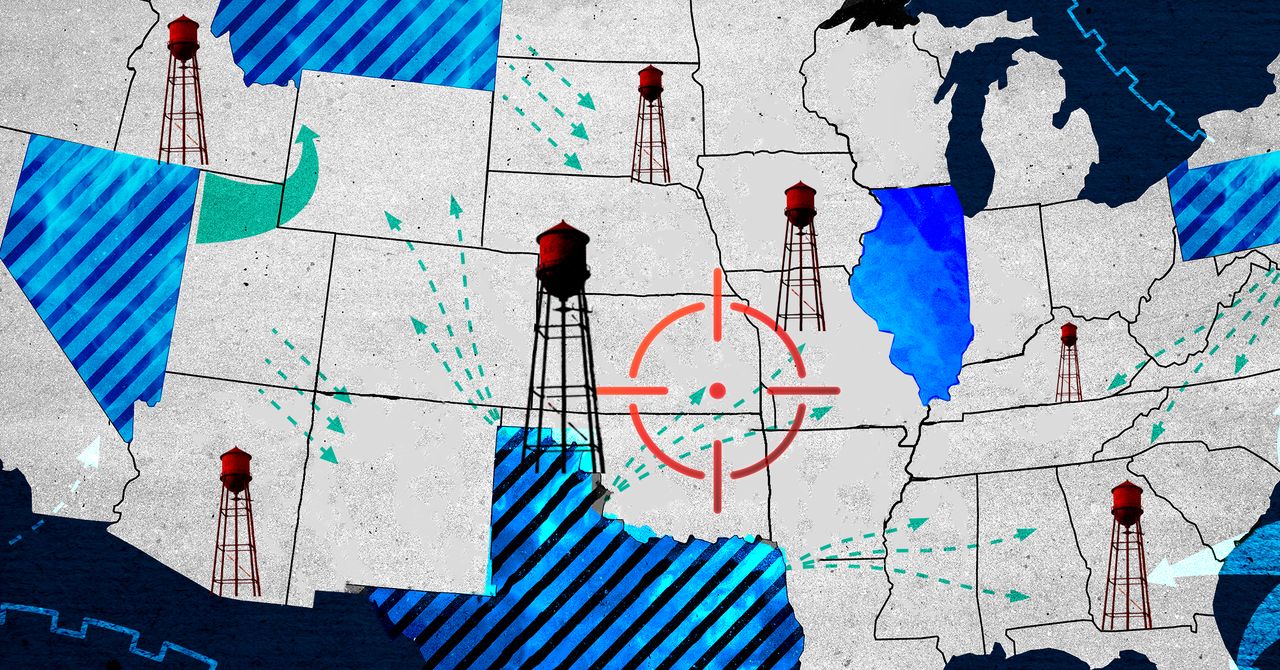
Dalam hitungan jam game-time, 5.000 water utilities di seluruh AS udah compromised. Controls gak responsif, data breach everywhere, dan dalam beberapa kasus, bahkan ada physical destruction - burst water mains everywhere. Gak(Main) yang bisa preprare buat ini.
Tapi yang paling scary adalah second-order effects yang cascading:
- 2.000 hospitals evacuate karena HVAC systems shutdown pas July heatwave
- Food refrigeration gagal di cold storage warehouses
- Insulin shortages karena manufacturing air-dependent
- Data center outages karena cooling systems mati
- Cloud services collapse
Intinya? Semua tergantung air. Dan air supply chain udah hancur total.
🔐 Background: Volt Typhoon, The Silent Threat
Mari kita flashback ke real-world scenario. Di May 2023, Microsoft, NSA, dan CISA announce discovery Volt Typhoon - hacker group yang working for Chinese military. Mereka udah breach networks critical infrastructure di continental US dan Guam, targeting everything dari manufacturing ke telecommunications ke electric grid.
Yang bikin alarm bells ringing: Volt Typhoon gak cuma espionage. Mereka "pre-positioning" - laying groundwork untuk disruptive attacks yang bisa hamper US military response during crisis. CISA's former executive director Brandon Wales bilang:
"The only reason to target that sort of entity is to cause societal chaos in the United States."
Contohnya? They bahkan nyasar ke Littleton Electric Light & Water Departments di Massachusetts, town dengan cuma 10.500 residents. Kenapa? To cause chaos in the homeland.
Even sekarang, three tahun setelah initial discovery, Joe Slowik dari Dataminr bilang Volt Typhoon (atau successor-nya) masih nargetin US electric grid dan water utilities. Mereka exploit teknik "living off the land" - hijack legitimate functions instead of planting malware, making detection super hard, especially di municipal utilities yang security budgets-nya minim.
⚖️ The Real Dilemma: Who Gets Help First?
Nah ini bagian yang bikin gue legit no obat. Tugas para insurance execs di game ini: decide gimana mereka allocate limited resources - contracted incident responders dan money - ke thousands of affected clients.
Pilihan-pilihan yang muncul:
- Biggest customers first (defined by revenue)
- First-come, first-serve basis
- "National security" priority sesuai government directive
- Maximize lives saved (hospital-dense cities)
- Minimize economic harm
Spoiler: Semua tim answer "human life first." Tapi kemudian ada uncomfortable question yang raised:
"The easy answer is public safety, human life. The more difficult one is when you do have regulators or someone calling, shareholders asking questions."
What happens when Treasury calls asking numbers? What if government tells lo untuk prioritize "dual use" infrastructure yang military importance?
In the end, Corman end the game - gak ada winners here. Yang ada cuma lessons learned yang brutal.
💡 The Big Takeaway: Prevention > Reaction
Joshua Corman argue bahwa insurance industry sebenarnya punya unique power untuk change this scenario - bukan dari response angle, tapi dari prevention angle. Gimana caranya?
Caranya: leverage insurance policies sebagai enforcement mechanism. Insurance companies bisa mandate clients untuk:
- Review networks buat unpatched vulnerable devices (exploit method Volt Typhoon)
- Join cybersecurity information sharing groups
- Implement basic security protocols
Saat ini? Cuma 0.3% dari 151.000 water utilities di AS yang join those groups.compared to finance atau electrical utilities yang coverage-nya jauh lebih baik. Red flag banget sih ini.
Mark Camillo, CEO CyberAcuView, bilang cyberattacks масштаб ini mungkin "uninsurable" - costs bakal bangkrutkan industry unless insurers invoke act-of-war exclusions (yang artinya clients dapat nothing). Solusinya? Mungkin butuh government fund kayak TRIA (Terrorism Risk Insurance Act) yang khusus untuk cyber disasters.
🎯 Geek Opinion
Sebagai yang nonton langsung simulasi ini, gue can confirm: this shit is scary. Bukan karena Volt Typhoon udah strike (they haven't, publicly), tapi karena intent mereka udah jelas dan access mereka udah ada.
Film WarGames ending-nya famous: "The only winning move is not to play." Tapi dalam konteks ini, Corman argue the lesson berbeda. We CAN play - tapi harus di terms kita, bukan adversary's terms.
artinya proactive investment in cybersecurity BEFORE crisis hits. Artinya insurance industry harus move beyond reactive claim-paying menjadi active risk prevention partner. Artinya 0.3% participation rate di cybersecurity groups gotta change.
Lo mau tau lebih lanjut soal Volt Typhoon dan threat landscape? Check sumber asli Wired ini buat full story. Seriously, worth the read.
Stay safe, stay patched, and remember: there are games where the only winning move is not to play - on the adversary's terms.